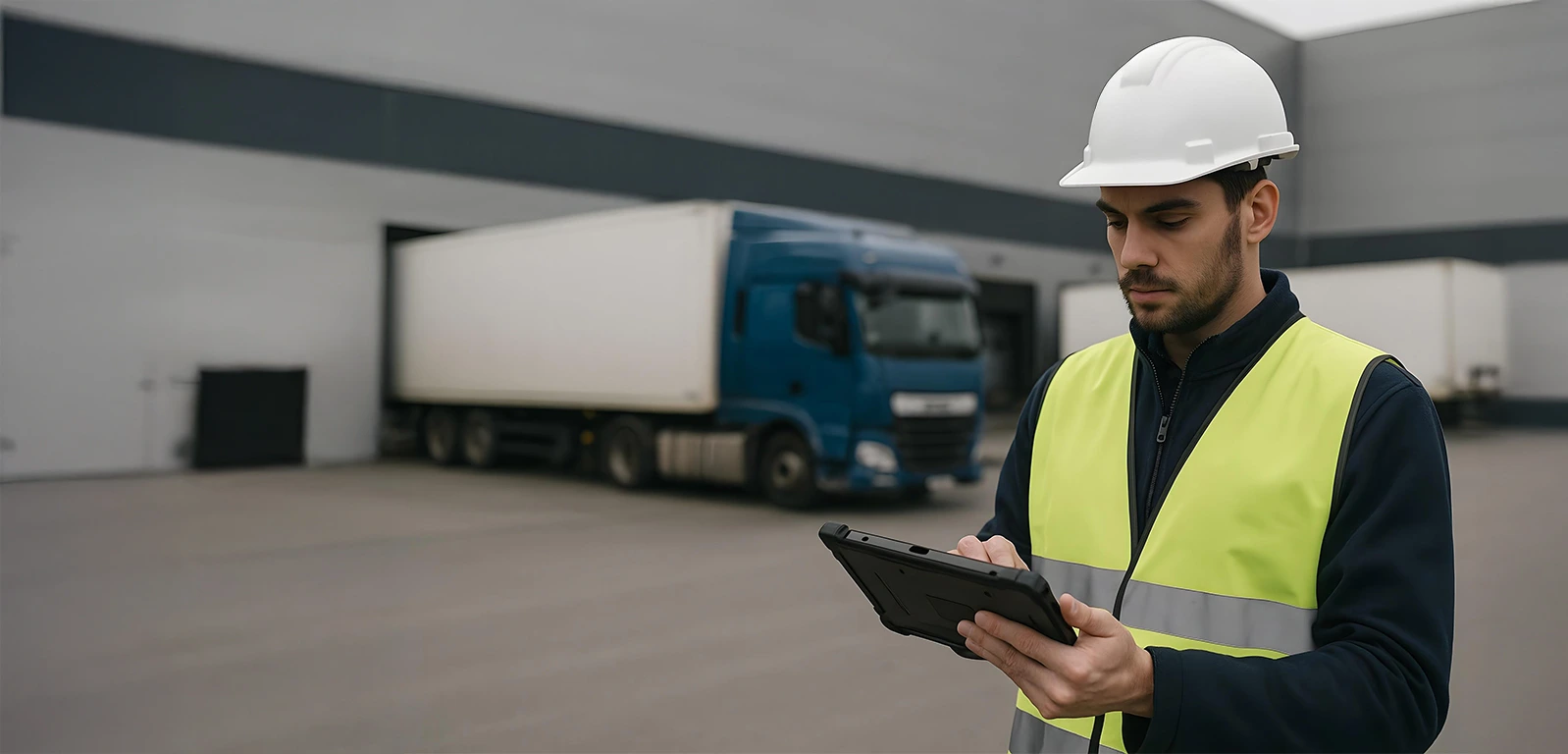
Poor yard management is one of the most common hidden obstacles in achieving timely deliveries and optimised fleet performance. For enterprises managing large-scale fleets, especially those with multiple depots or distribution centers, streamlining yard operations is essential for cost control and operational excellence. Without a comprehensive yard management system, inefficiencies quickly escalate, resulting in wasted time, unnecessary fuel consumption, and increased overheads.
For modern enterprises managing vast transport networks, digitizing the yard is the final frontier of operational excellence. Implementing dedicated yard management software for enterprise logistics integrated with fleet telematics is the necessary step to unlock new levels of speed, throughput, and profitability.
Common Bottlenecks: Dock Congestion, Idle Trucks, Mismatch Inbound/Outbound
The analogue yard is plagued by several recurring problems that erode efficiency:
- Dock Congestion: Lack of real-time scheduling leads to trucks arriving simultaneously, creating long queues and preventing efficient use of valuable dock space.
- Idle Trucks & Trailers: Trucks spend hours idling in designated waiting areas or circling the yard because managers lack real-time visibility into which trailers are empty, which are ready to load, and where they are physically located.
- Mismatch of Inbound/Outbound: The receiving of inventory is poorly synchronized with the readiness of the outbound fleet, causing cross-docking nightmares and unnecessary storage.
- "Yard Blindness": Relying on manual check-in/check-out and radio communication creates delays and errors in tracking assets—a challenge the right depot tracking system telematics integration can solve.
Delays at the loading dock can cause cascading disruptions, affecting downstream deliveries and customer satisfaction. Yard inefficiencies waste valuable labor hours and increase operational costs. Poor visibility, undirected congestion, and manual processes elevate safety risks, leading to accidents, injuries, and potential cargo damage within the depot.
How Yard-Management Software Ties with Fleet Telematics for Full Visibility
Yard management systems (YMS) should not function in isolation. Integrating YMS with fleet telematics provides a unified, data-driven approach to yard and fleet management. The power of telemetry (real-time data gathered from connected vehicles and assets) enables fleet managers to have full visibility into every aspect of the yard and fleet operations.
For example, fleet telematics enables real-time tracking of each truck's location, whether it is on the road or within the yard. This, in combination with a yard management system, ensures that:
- Internal Yard Management Software: Uses internal trackers and sensors to provide real-time location data for assets within the depot's perimeter. Allows yard managers to direct vehicles to the right loading/unloading bays efficiently.
- External Fleet Telematics: Provides the system with precise Estimated Time of Arrival (ETA) data for inbound trucks from the main road network. This allows dock managers to proactively prepare docks in advance and avoid congestion.
- Equipment status and load status can be monitored remotely, reducing unnecessary delays in preparation or unloading.
This seamless integration between yard management and fleet telematics ensures that operations are smooth, delays are minimised, and assets are utilised to their full potential.
Key Modules:
A robust yard solution comprises several essential modules:
- Dock Scheduling: Automated dock scheduling ensures that each truck has an assigned time to dock for loading or unloading. This reduces congestion and waiting times, improves space management, and increases overall throughput in the yard.
- Geofence Exits: By using GPS geofencing, yard management systems can track when a vehicle enters or exits the yard. This allows managers to automatically track truck movements and trigger notifications when a vehicle is ready to leave or is delayed.
- Proof of Load/Unload: Integrated proof of delivery (POD) tools capture digital signatures, photos, and QR codes to confirm goods have been loaded or unloaded. This reduces errors, ensures accountability, and creates a verifiable record for compliance.
- Yard Asset Tracking: Beyond just vehicles, yard management systems can track assets such as pallets, containers, or equipment. This ensures that no asset is left behind and that everything is accounted for, improving overall asset utilisation.
Roadcast Solution Overview: How We Integrate Device-Agnostic Trackers + Yard Software
At Roadcast, we offer an enterprise-grade yard management system that integrates seamlessly with a variety of hardware solutions, offering flexibility and scalability for organisations of any size. Key features of the Roadcast Yard Management Solution include:
- Device-Agnostic Integration: Roadcast's platform can ingest data from existing on-board GPS trackers (saving hardware costs) while allowing the deployment of low-cost, long-life Bluetooth/IoT trackers on trailers and yard equipment. This ensures every asset, powered or non-powered, is visible.
- Gate Automation: Integration with gate scanners (RFID or LPR) automatically records truck entry/exit times, updating the system without human intervention.
- Task Management Flow: The software provides yard workers with real-time tasks on mobile devices—Move Trailer X from Zone B to Dock 4—ensuring every yard action is purposeful and tracked against efficiency metrics.
- Seamless Integration with fleet telematics, ensuring full visibility of both fleet and yard operations.
- Real-time tracking of yard assets and vehicles, coupled with automated alerts and reports for better decision-making.
- Geofencing and mobile integration that allows managers to view truck locations and dock status from anywhere, ensuring instant updates and the ability to react to bottlenecks quickly.
- Customisable reporting and analytics that provide actionable insights into key performance metrics like dock efficiency, truck idle time, and throughput.
The Roadcast yard management enterprise solution is designed for maximum flexibility and scalability.
Best Practices for Rollout:
Successfully rolling out a yard management solution requires careful planning and clear communication across all stakeholders. Here are some best practices for implementing yard management systems:
- Stakeholder Alignment: Involve key stakeholders (yard managers, IT teams, operations managers) early in the process. Understanding their needs and aligning the solution to solve their pain points is crucial for successful adoption.
- Phased Implementation: Start by tracking a manageable subset of assets (e.g., trailers) and key performance indicators (e.g., total gate-to-gate time). Once successful, scale the solution across all depots.
- Change Tracking & KPIs: Focus training and measurement on critical KPIs like Average Dwell Time (ADT) at docks, Yard Utilization Rate, and Truck Turnaround Time (TAT). Continuously track these metrics to prove the ROI of the digitization effort.
Conclusion
Digitising yard and depot operations is essential for large-scale logistics seeking efficiency, cost reduction, and improved customer satisfaction. By integrating yard management software with fleet telematics, organisations can optimise the last mile within the yard. Roadcast's Enterprise Solutions offer real-time visibility, streamlined processes, and measurable savings. With the right approach, fleets and yards work in harmony, driving operational excellence. Extending telematics inside the facility not only improves parking but also transforms supply chain resilience, ensuring long-term success and robust logistics performance.